Learn what design patent drawings must show, how views, broken lines, and surface shading affect scope, and when to hire a patent illustrator.
Why design patent drawings deserve careful planning
In a United States design patent application, the drawings are central to the disclosure. A design patent protects the ornamental appearance shown in the figures, so the visual presentation must be complete, consistent, and deliberate. Small choices involving line type, surface shading, view selection, and perspective can affect how readers understand the claimed design.
Professional design patent drawings translate a product, prototype, CAD model, sketch, or photograph into a coordinated figure set. The goal is not to make the product look attractive for marketing. The goal is to disclose its appearance clearly enough that every submitted view describes the
same design.
The views commonly included in a design patent application
A typical figure set may include front, rear, left-side, right-side, top, bottom, and perspective views. The exact set depends on the product and the features being claimed. Some applications can omit a view when it is identical to another view or when an appropriate explanation supports the omission, but that decision should be coordinated with patent counsel.
Consistency matters across the entire set. A radius, opening, seam, button, texture, or contour shown in one view must align with the same feature in every other applicable view. Inconsistent geometry can create uncertainty about what the applicant intends to claim.
How broken lines affect the claimed design
Broken lines are frequently used to show environmental structure or portions of an article that are not part of the claimed design. They may also illustrate boundaries in appropriate circumstances. Because solid and broken lines communicate different information, converting a feature from one line type to another is a legal and visual decision, not a cosmetic edit.
Applicants should identify the claimed and unclaimed portions before final drafting begins. A patent illustrator can then apply a consistent broken-line pattern and prevent overlaps, gaps, or line-weight changes that make the boundary unclear. Patent counsel should approve the claiming strategy and the accompanying drawing description.
Why surface shading and line quality matter
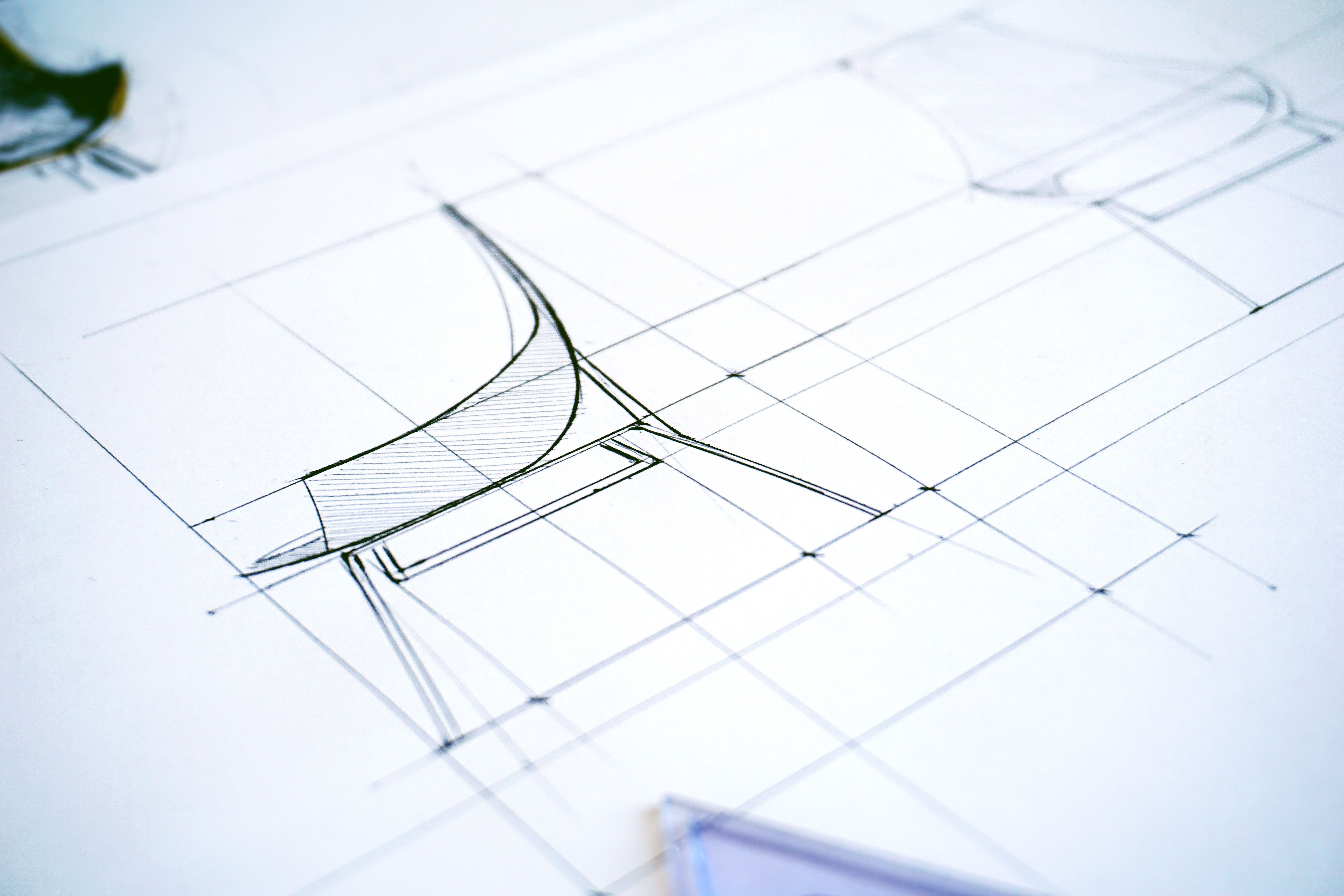
Surface shading can help show contour, depth, and the character of curved or flat surfaces. It should clarify the form without hiding edges or creating the appearance of a feature that does not exist. Line weight should remain legible after the drawings are reduced, converted, uploaded, and printed.
Clean line work also helps an examiner compare the views. Tangencies, duplicated edges, irregular curves, and unintended gaps often become more noticeable in a formal patent figure than in a photograph or rendering. A careful drafting process resolves these issues before filing.
What to send a design patent illustrator
Useful source materials include CAD files, dimensioned drawings, photographs from multiple angles, prototypes, renderings, and a marked reference that identifies claimed and unclaimed features. Patent attorneys can also provide the preferred figure order, drawing descriptions, and any conventions used by the firm.
The best time to involve a patent drawing service is before the application is finalized. Early coordination gives the illustrator time to identify missing views or conflicting source details. It also gives the legal team time to confirm the claim strategy before the final figures are prepared.
Work with a specialized patent illustration company
IP Illustration prepares design patent drawings for inventors, patent attorneys, law firms, startups, and established companies. Send your available reference materials and filing schedule to request a project review and quote.
Sources and further reading
Written by Joy Allen for IP Illustration using “Design Patents Common and Costly Mistakes to Avoid” by Elizabeth Herbst Schierman, published by Idaho State Bar, together with the official guidance listed below. This article is for general information and is not legal advice.
https://isb.idaho.gov/blog/design-patents-common-and-costly-mistakes-to-avoid/
Official reference: USPTO Design Patent Application Guide
https://www.uspto.gov/patents/basics/apply/design-patent