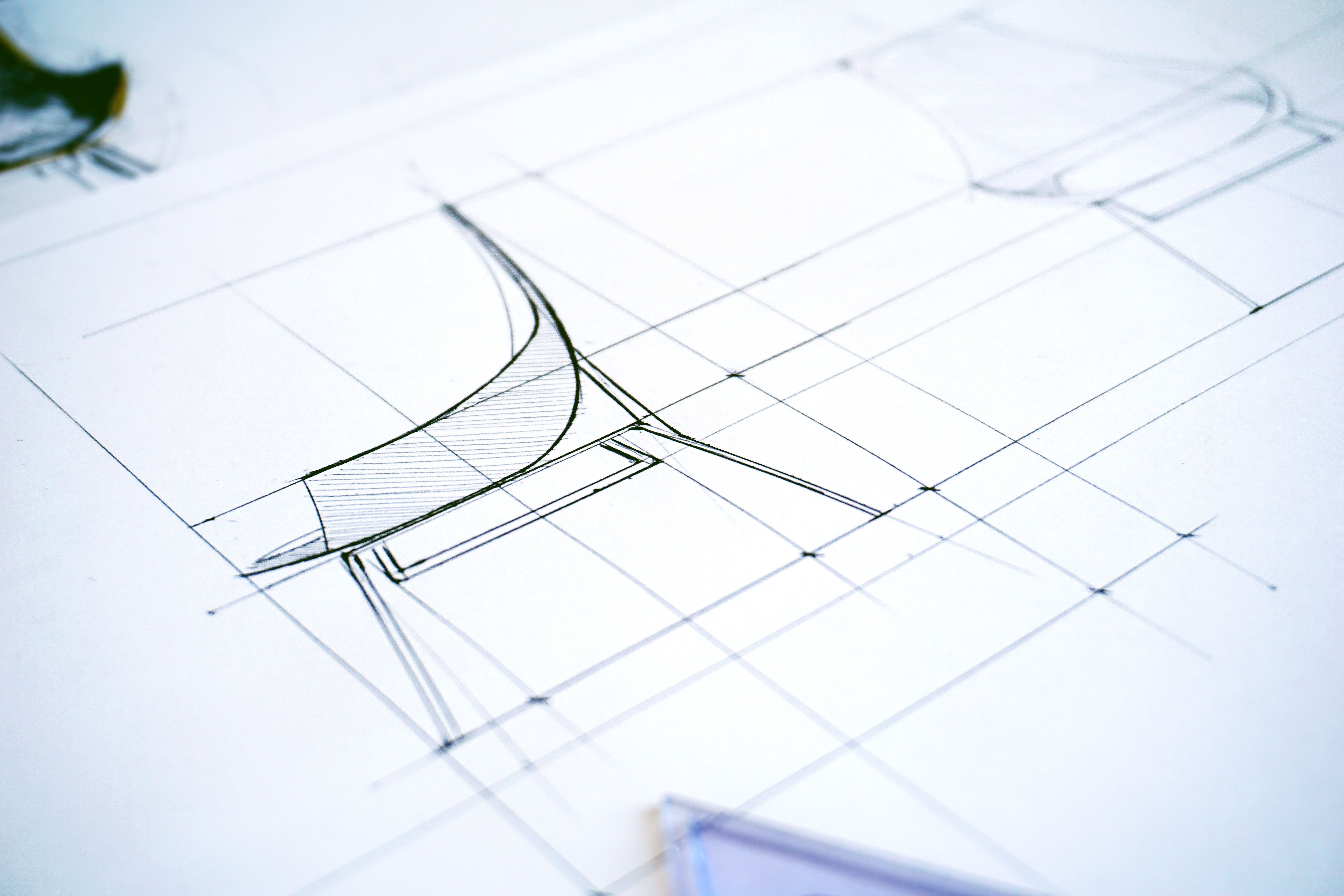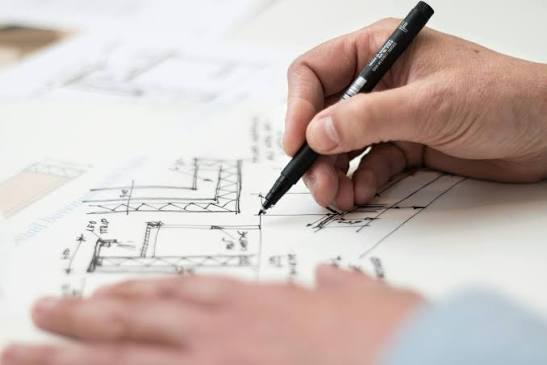
Avoid inconsistent views, incorrect reference numbers, crowded lead lines, unclear broken lines, and other common patent drawing problems.
Why a prefiling drawing review saves time
Patent figures often pass through several hands: inventors, engineers, designers, attorneys, and illustrators. Each transfer can introduce a small inconsistency. A focused review before filing can catch problems while the source files and decisions are still easy to verify.
The following mistakes appear in both simple and complex projects. They do not all have the same legal effect, so patent counsel should decide how a problem should be corrected.
Mistake 1 Inconsistent geometry between views
A slot may appear wider in the front view than in the perspective view, or a seam may sit at a different height in the side view. Compare recognizable landmarks across all figures and confirm that curves, openings, proportions, and part relationships agree.
Mistake 2 Mixing claimed and unclaimed line treatment
In design patent drawings, a feature shown in solid lines in one figure and broken lines in another creates uncertainty. Mark claimed and unclaimed portions before drafting, then review every transition point across the full figure set.
Mistake 3 Incorrect or inconsistent reference numerals
In utility patent drawings, the same part should carry the same reference numeral throughout. Duplicate numbers, missing numbers, and labels that do not match the specification slow review and can confuse the reader. Maintain a master reference list shared by the attorney and illustrator.
Mistake 4 Crowded lead lines and labels
Too many labels in a small area can cover technical details. Lead lines should be short, clear, and easy to trace. Add detail views when a region cannot be labeled legibly at the scale of the main figure.
Mistake 5 Using source files from different product versions
A prototype photograph, CAD model, and marketing rendering may show different revisions. Before drafting starts, identify the controlling source and document every approved difference. Otherwise, the final figure set may combine components that never existed together.
Mistake 6 Omitting a view that explains an important feature
A single perspective image may hide the underside, internal relationship, or rear connection that matters to the disclosure. Build a figure list around what the application needs to show, not only around the images that are easiest to provide.
Mistake 7 Treating the final review as a visual spellcheck
A clean page can still contain substantive inconsistencies. Review the figures against the claims, specification, drawing descriptions, source model, and reference-number list. Check at normal size and at a reduced size to confirm that thin lines and small gaps remain visible.
Professional patent drawing review and revisions
IP Illustration prepares new patent drawings and revises existing figures for design and utility patent applications. Send the current drawings, examiner comments if applicable, source materials, and desired deadline for an assessment and quote.
Sources and further reading
Written by Joy Allen for IP Illustration using “What Are Common Mistakes in Design Patent Applications” by Austen Zuege, published by Blue Over Gray, together with the official guidance listed below. This article is for general information and is not legal advice.
https://www.blueovergray.com/common-mistakes-design-patent-applications/
Official reference: USPTO MPEP Section 608
https://www.uspto.gov/web/offices/pac/mpep/s608.html